Andy Burnham Names First Cabinet as UK PM
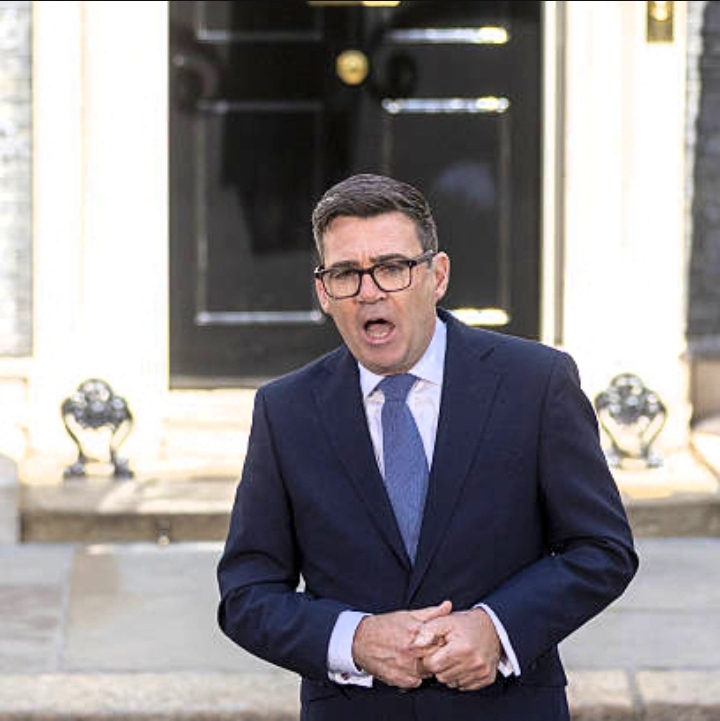
Andy Burnham Names First Cabinet, Brings Back Rayner and Reynolds
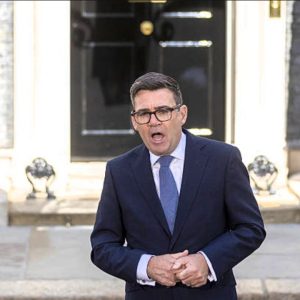
Andy Burnham wasted no time reshaping the British government on his first day as prime minister, unveiling a cabinet that brings back two familiar faces to senior posts: Angela Rayner returns as housing, communities and local government secretary, and Jonathan Reynolds returns as business and trade secretary. The appointments came within hours of Burnham accepting King Charles III’s invitation to form a government, following Keir Starmer’s resignation earlier Monday.
Burnham, the former mayor of Greater Manchester, became Labour leader on Friday and the UK’s seventh prime minister in a decade after Starmer stepped down amid sinking approval ratings and mounting pressure from within his own party. Starmer had announced last month he would resign, telling supporters outside Downing Street that “my work is done” before traveling to Buckingham Palace to formally tender his resignation.
Rayner’s Comeback to Housing
Angela Rayner’s return marks a striking political comeback. She resigned as deputy prime minister, housing secretary and deputy Labour leader roughly ten months ago after Starmer’s independent ethics adviser found she had breached the ministerial code by failing to seek specialist tax advice before underpaying £40,000 in stamp duty on an £800,000 flat in Hove. At the time, Rayner said she took “full responsibility for this error” and insisted it was never her intention to pay less than she owed.
Her exit triggered one of the largest reshuffles of Starmer’s premiership, with David Lammy stepping in as deputy prime minister and Steve Reed taking over the housing brief. But Rayner remained popular within the party’s grassroots, and calls for her return grew louder in the months that followed.
Reynolds Back at Business and Trade
Jonathan Reynolds also returns to a post he previously held. He had served as business and trade secretary before moving to become chief whip last September, when he was replaced at the business department by Peter Kyle as part of the reshuffle triggered by Rayner’s resignation. His reappointment under Burnham puts him back in charge of the department responsible for trade policy and relations with British business at a time of continued economic pressure on households.
A Wider Shake-Up of the Top Team
The Andy Burnham cabinet extends well beyond the housing and business briefs. Former defence secretary John Healey has been appointed Chancellor of the Exchequer, while Ed Miliband and Shabana Mahmood arrived at Downing Street together to become foreign secretary and home secretary respectively — with Mahmood remaining in her post and Miliband promoted from his previous role as energy secretary. Yvette Cooper has been appointed health secretary, and Burnham’s constituency neighbour Lisa Nandy has been reappointed culture secretary after emerging as one of the new prime minister’s most vocal backers during Labour’s leadership contest.
Several figures closely associated with the Starmer era have been dropped from the top table, including outgoing chancellor Rachel Reeves and deputy prime minister David Lammy, according to reporting on the reshuffle. Burnham had signalled in earlier interviews that he was concerned about the “balance” of the cabinet and wanted a fuller discussion about the party’s internal management, including representation from northern England.
Burnham’s Path to Downing Street
Burnham’s rise to the premiership followed an unusual route. Having twice failed in previous bids for the Labour leadership, he spent nearly a decade as mayor of Greater Manchester, building a reputation as a champion of regional devolution and clashing publicly with the Conservative government over funding during the pandemic. He stepped down as mayor and won a by-election in Makerfield in June to return to the House of Commons, clearing the way for his Labour leadership bid after Starmer’s resignation was announced.
The Challenges Facing the New Government
Burnham inherits a government trailing the populist Reform UK party in national polls, alongside persistent public frustration over the cost of living and the pace of economic growth. In his first remarks as prime minister, Burnham promised to end street homelessness and described his approach as a “circuit breaker” for a system he said had taken wrong turns since public services were privatized in the 1980s. Analysts note that Burnham is likely to face many of the same structural pressures that weighed on Starmer, including a slow-growing economy and an unpredictable American ally across the Atlantic.
How Starmer’s Departure Unfolded
Starmer’s own position had grown increasingly precarious in recent months. His government lost seats to Reform UK in May’s local elections, intensifying pressure from Labour lawmakers for a change in leadership. He had also faced criticism over his appointment of Peter Mandelson — a longtime associate of the late convicted sex offender Jeffrey Epstein — as Britain’s ambassador to Washington, a post from which Starmer later removed him. Starmer announced his resignation as Labour leader on June 22, with Burnham confirmed as his successor on Friday ahead of Monday’s formal transfer of power.
KEY FACTS: THE BURNHAM CABINET
- Andy Burnham became UK prime minister on Monday, July 20, 2026
- He is the UK’s seventh prime minister in the decade since the 2016 Brexit vote
- Angela Rayner returns as Housing, Communities and Local Government Secretary
- Jonathan Reynolds returns as Business and Trade Secretary
- John Healey moves from defence secretary to Chancellor of the Exchequer
- Ed Miliband is promoted from energy secretary to foreign secretary
- Shabana Mahmood remains home secretary
- Yvette Cooper is appointed health secretary
- Lucy Powell becomes education secretary; Bridget Phillipson stays on as women and equalities minister
- Anneliese Midgley, formerly a backbencher, becomes Chief Whip
Timeline: From Rayner’s Resignation to Burnham’s Cabinet
Angela Rayner resigns as deputy prime minister and housing secretary over a stamp duty underpayment; Jonathan Reynolds is moved from business secretary to chief whip in the resulting reshuffle.
Labour suffers losses to Reform UK in local elections, intensifying pressure on Starmer’s leadership.
Andy Burnham wins the Makerfield by-election, returning to the House of Commons after nearly a decade as Greater Manchester mayor.
Keir Starmer announces he will resign as Labour leader.
Andy Burnham is confirmed as the new Labour leader.
Starmer formally resigns as prime minister; Burnham is invited by King Charles III to form a government and names Rayner and Reynolds to senior cabinet posts within hours.
With his cabinet largely in place on day one, Burnham now faces the task of translating his campaign message of change into results — under the same economic and political pressures that ultimately defined, and ended, his predecessor’s premiership.
Further details on the full ministerial list are available via the UK Government’s official ministers page.